

Last Updated on: Jun 23, 2025
As the day winds down, many parents face a familiar struggle: coaxing a toddler into bed. A soothing bedtime story can transform that challenge into a cherished ritual. But with thousands of books available, how do you choose ones that calm rather than overstimulate, that launch sweet dreams instead of nighttime protests?
What We'll Cover
- What Makes a Great Bedtime Book for Toddlers?
- 1. Calm tone, gentle pacing, and simple structure
- 2. Limited text, warm illustrations
- 3. Repetitive or rhythmic language
- 4. Connection to daily life or ritual
- 5. Room for parent-child interaction
- 6. Avoid screen references, bright contrasts, or surprises
- 10 Best Bedtime Books for Toddlers — Reviews & Recommendations
- How to Build a Bedtime Story Ritual That Works
- Step 1: Set a fixed “lights-off window”
- Step 2: Turn off stimulating screens and heavy lighting
- Step 3: Bath / pajamas / brushing
- Step 4: The reading moment
- Step 5: Gentle transition to sleep
- FAQs & Common Concerns
- Conclusion
This guide shares 10 best bedtime books for toddlers, based on careful selection criteria and real-world testing. Beyond reviewing each title, I’ll walk you through what makes a perfect bedtime read, how to weave stories into a consistent bedtime routine, and how to adjust for your child’s personality and sleep habits. My goal: to help your family transform bedtime from battle to pause—with meaning, comfort, and sleep.
What Makes a Great Bedtime Book for Toddlers?
Before diving into recommendations, it helps to know why certain books work better than others. Here are key features to look for—and pitfalls to avoid.
1. Calm tone, gentle pacing, and simple structure
Bedtime books should lull, not excite. Avoid high action, large conflicts, or surprises late in the story. A predictable, rhythmic structure and gentle language help toddlers wind down.
2. Limited text, warm illustrations
Toddlers have short attention spans. Books with 200–400 words (or even fewer) and soothing, uncluttered illustrations are more effective than dense picture books. Use visuals that emphasize night, soft colors, and familiar daily routines.
3. Repetitive or rhythmic language
Repetition helps toddlers anticipate what comes next, which brings comfort. Rhymes, gentle refrains, and cadence can create a soothing, musical flow.
4. Connection to daily life or ritual
Books that reflect what your child does at bedtime—bath, brushing teeth, lights out—help reinforce the routine. They anchor the story in what’s real and familiar.
5. Room for parent-child interaction
Leave space to pause, ask “What do you think happens next?”, or let your child point to pictures. That shared interaction fosters bonding and helps the child mentally transition from wake to sleep.
6. Avoid screen references, bright contrasts, or surprises
Sudden shocks, bright back-and-forth colors, or abrupt plot turns can re-awaken a child. Keep the visual and narrative journey gentle.
Supporting Research:
- Bedtime routines, including reading, are correlated with better child sleep outcomes and emotional regulation.
- Replacing screen time with book reading is linked with improvements in sleep onset delay, daytime sleepiness, and reduced sleep anxiety among preschoolers.
- Early reading to toddlers is associated with stronger vocabulary growth and later comprehension skills.
With those principles in mind, here are my 10 Best Bedtime Books for Toddlers, along with honest pros, cons, and tips.
10 Best Bedtime Books for Toddlers — Reviews & Recommendations




| # | Book | Why It Works for Bedtime | Notes & Watchouts | Ideal Age / Range |
|---|---|---|---|---|
| 1 | Goodnight Moon by Margaret Wise Brown | A timeless classic with simple, rhythmic goodnight phrases and calming, predictable structure | Some children resist “saying goodnight” to every little object; you can skip pages if needed | 1½ – 4 yrs |
| 2 | Guess How Much I Love You by Sam McBratney | Soft, loving dialogue; cozy parent-child bond; gentle ebb and flow | It has more narrative than a pure lullaby – skip or shorten if child’s attention wanes | 2 – 5 yrs |
| 3 | Goodnight, Goodnight, Construction Site by Sherri Duskey Rinker | Builds the idea that “even big, active things” need rest | Best when your toddler is fascinated by machines; might feel repetitive for non-vehicle fans | 2 – 4 yrs |
| 4 | The Napping House by Audrey Wood | Layered, cumulative story that slows down progressively | The stacking of characters can get visually dense; pause when needed | 2 – 4 yrs |
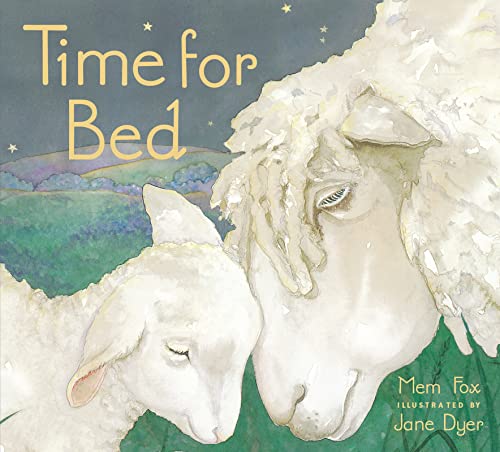
| 5 | Time for Bed by Mem Fox | Simple rhyme, soft repetition, quiet lullaby tone | Beware when reading too fast — the rhythm is delicate | 1 – 3 yrs |
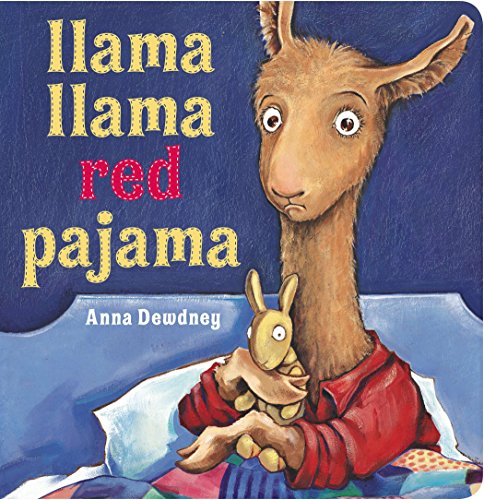
| 6 | Llama Llama Red Pajama by Anna Dewdney | Expresses a toddler's bedtime anxiety in a gentle, empathic way | Slight tension in the middle; good to discuss with the child | 2 – 4 yrs |
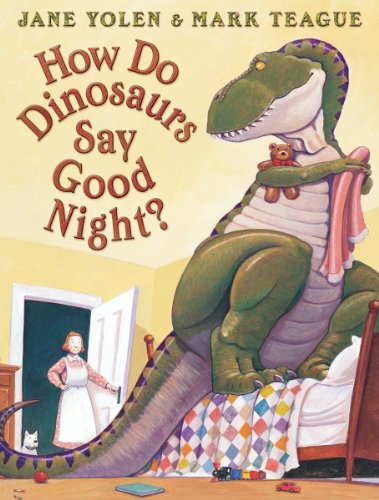
| 7 | How Do Dinosaurs Say Goodnight? by Jane Yolen & Mark Teague | Familiar “dinosaur mischief” theme, but ends in quiet submission | The dinosaur antics earlier may be stimulating; pause before the more animated pages | 2 – 4 yrs |
| 8 | Night Night, Forest Friends by Annie Bach | Calm, nature-based scenes; soft “goodnight” phrases to animals and objects | Lean text; incorporate gestures (“Let’s whisper goodnight to the owl”) | 1½ – 4 yrs |
| 9 | Starfish Stretches and Bedtime Breathing (mindfulness-based) | Encourages gentle movement and breathing to slow the body | Ideally, teach the breathing moves earlier in the day so bedtime is familiar | 2 – 5 yrs |
| 10 | I Am a Bunny by Ole Risom, illustrated by Richard Scarry | Ultra short, calming, perfect when toddler resists length | Use as a fallback when the child is very tired or resistant | 1 – 3 yrs |
My Additional Tips on Using These Books
- Rotate, don’t overdo: Even your best book can lose its soothing power if repeated too often. Experts note that children do like repetition—because routines bring security—but variety helps maintain interest.
- Let the child pick sometimes: Giving toddler agency (“Which book tonight?”) reinforces routine ownership.
- Use the book as cue: After a few nights, the child’s brain will start associating that book with sleep time.
- Be flexible: If your child is exceptionally tired or cranky, use one ultra-short book or skip reading entirely to avoid battles.
How to Build a Bedtime Story Ritual That Works
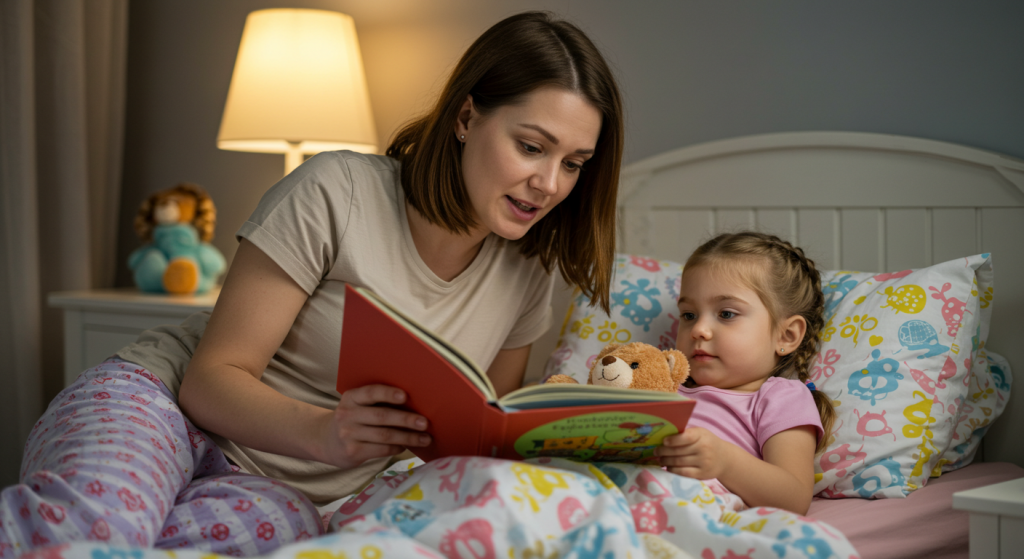
To make these books truly effective, embed them inside a consistent, soothing ritual. Here’s one practical, adaptable plan (you can tweak to your own life):
Step 1: Set a fixed “lights-off window”
Choose a 20–30 minute period before your child’s natural sleep time (for example, 7:30–8:00 pm). Begin your wind-down then.
Step 2: Turn off stimulating screens and heavy lighting
Dim lights, shut off TVs/tablets, and shift to quiet play (puzzles, soft music). This primes your child to calm.
(Substituting reading for screen time is backed by research showing benefits to sleep health in kids.)
Step 3: Bath / pajamas / brushing
These consistent steps signal “almost bedtime.” Use the same order every night so the child’s brain begins to anticipate rest.
Step 4: The reading moment
- Sit in a cozy spot (soft lamp, perhaps a night-light).
- Start with a brief chat: “Just two pages of Goodnight Moon, or do you pick tonight?”
- Read slowly, pausing for reactions or pointing.
- End with a small “goodnight” ritual (kiss, lights-off, soft words).
Step 5: Gentle transition to sleep
After reading, leave a soft cue like a white noise machine, low dim glow, or “I’ll see you in the morning.” Avoid lengthy chatting or games afterward.
FAQs & Common Concerns
| Question | Answer / Solution |
|---|---|
| What if my toddler refuses books tonight? | Use a very short book (like “I Am Pear!”) or simply lie beside them in silence. Consistency matters more than length. |
| Do we have to finish the book? | Not at all. You can stop mid-page, especially if signs of fatigue appear. |
| What if my child asks for many books? | Set a limit (e.g. “We’ll read two books tonight”) or a time limit (e.g. “After 10 minutes we stop”). Many parents use timers. |
| Should we do the same book every night? | It’s okay for a favorite to repeat—it gives comfort. But mixing in others prevents boredom and promotes broader language exposure. |
| Does reading really help with sleep? | Yes. Parents report improved child and parent sleep when reading before bed. Sleepopolis And scientific reviews affirm that reading routines correlate with better sleep and developmental benefits. |
Conclusion
Bedtime doesn’t have to be a nightly struggle. With a thoughtful match of books, consistent rituals, and flexibility, you can convert those twilight minutes into moments of connection and calm.
Key takeaways:
- Choose bedtime books with calm pacing, simple structure, and a tone of rest.
- Use reading as one anchor in a predictable pre-sleep routine.
- Let the ritual grow into a signal that “sleep time is coming.”
- Be adaptable—some nights call for ultra-short reads or skipping books.
- Over time, the child will begin to request the book itself, signaling internalization of the routine.
The responses below are not provided, commissioned, reviewed, approved, or otherwise endorsed by any financial entity or advertiser. It is not the advertiser’s responsibility to ensure all posts and/or questions are answered.



seems useful for new parents, like that it covers both short and longer reads for toddlers
Interesting picks, though I wonder if mindfulness-based books really help toddlers settle or if it’s just for parents
I tried Llama Llama Red Pajama and my kid still gets a bit anxious during the tense parts...could be tricky for sensitive toddlers